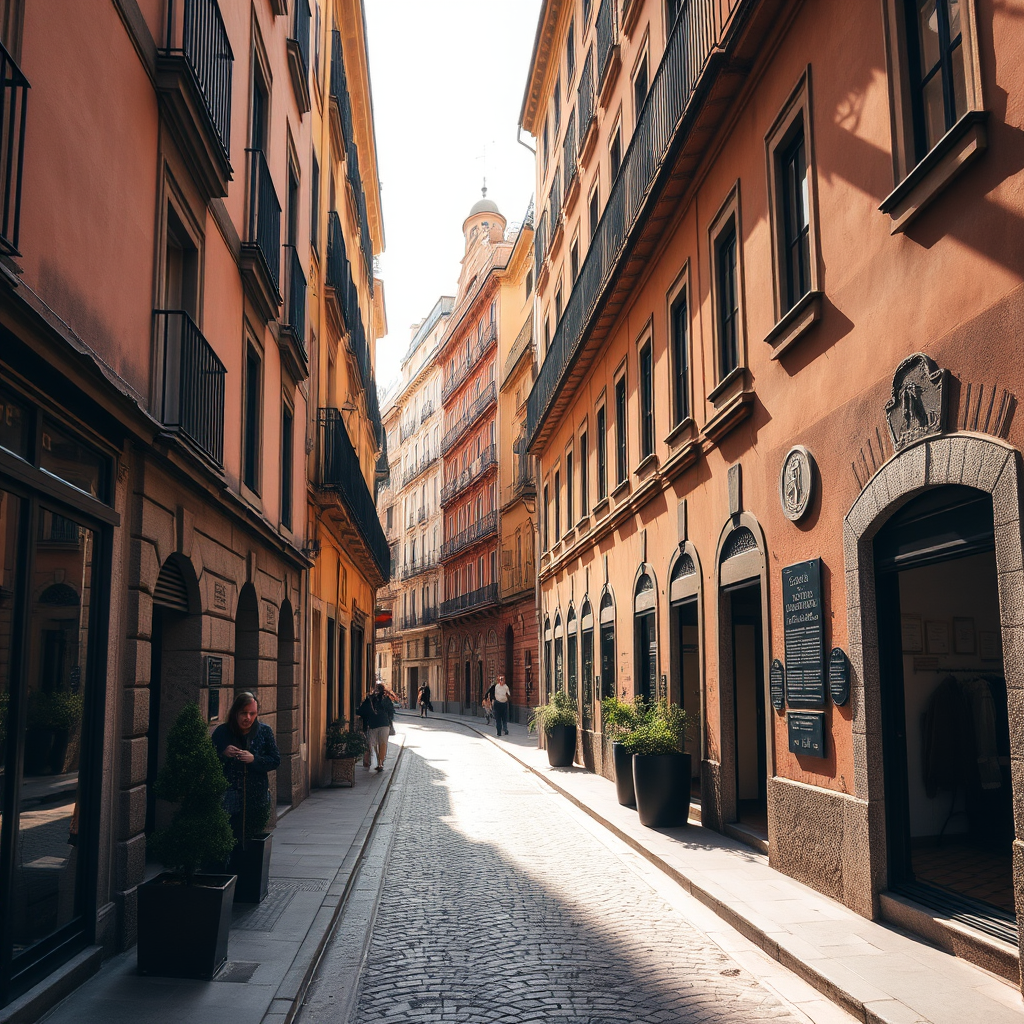
Step into the heart of Madrid's literary soul, where every cobblestone tells a story and every corner whispers the names of Spain's greatest writers. The Barrio de las Letras, or Literary Quarter, is more than just a neighborhood—it's a living museum of Spanish literature.
The Golden Streets of Spanish Literature
Walking through the narrow streets of this historic quarter feels like traveling through time. The area, bounded by Paseo del Prado, Carrera de San Jerónimo, and Calle de Atocha, was home to Spain's most celebrated writers during the Golden Age of Spanish literature in the 16th and 17th centuries.
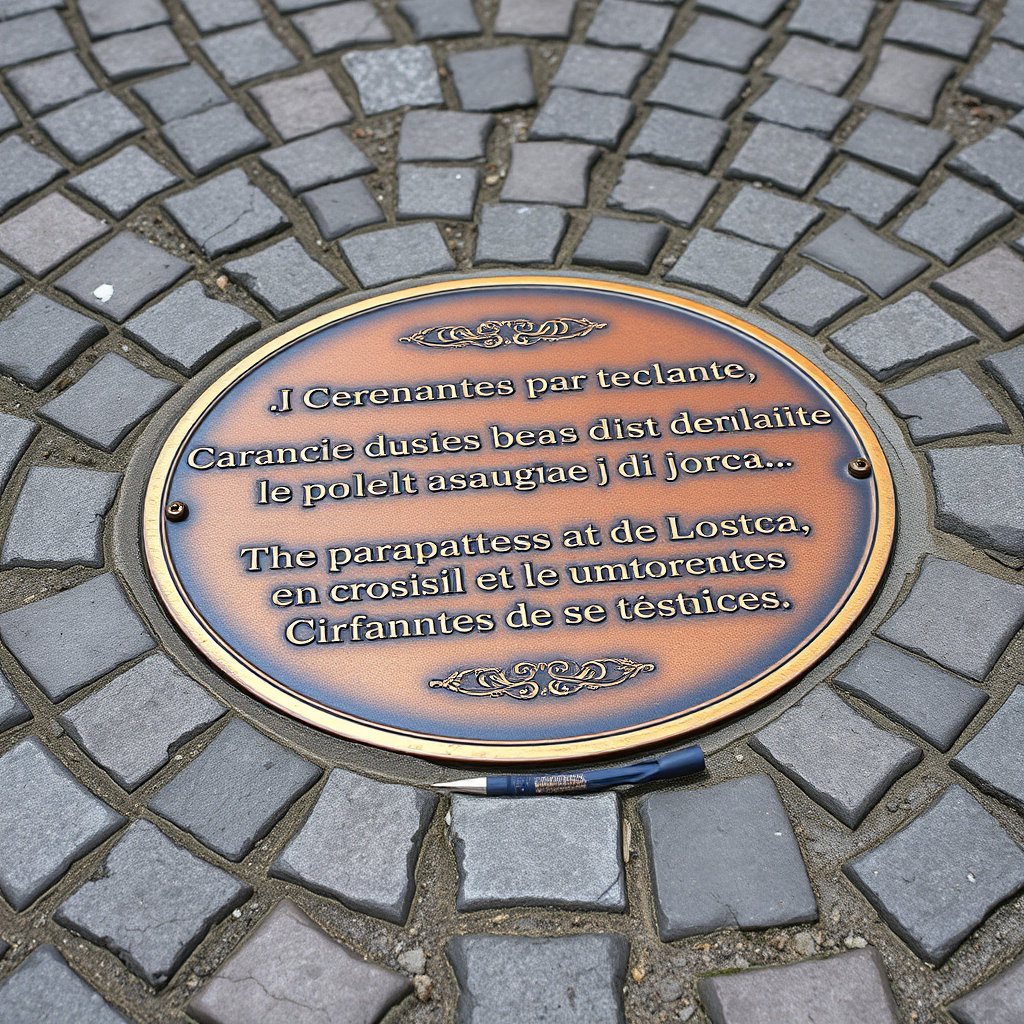
As you stroll down Calle de Cervantes, you'll notice the golden plaques embedded in the sidewalks, each bearing quotes from the literary giants who once called this area home. These bronze markers create a unique outdoor anthology, turning your travel in Madrid into an immersive literary experience.
Following Cervantes' Footsteps
Miguel de Cervantes, author of Don Quixote, lived his final years on the street that now bears his name. The house where he penned some of his greatest works stood at number 2, Calle de Cervantes. Though the original building no longer exists, a commemorative plaque marks the spot where Spain's most famous novelist breathed life into the adventures of the ingenious gentleman of La Mancha.
"Finally, from so little sleeping and so much reading, his brain dried up and he went completely out of his mind."
Literary Cafés and Hidden Gems
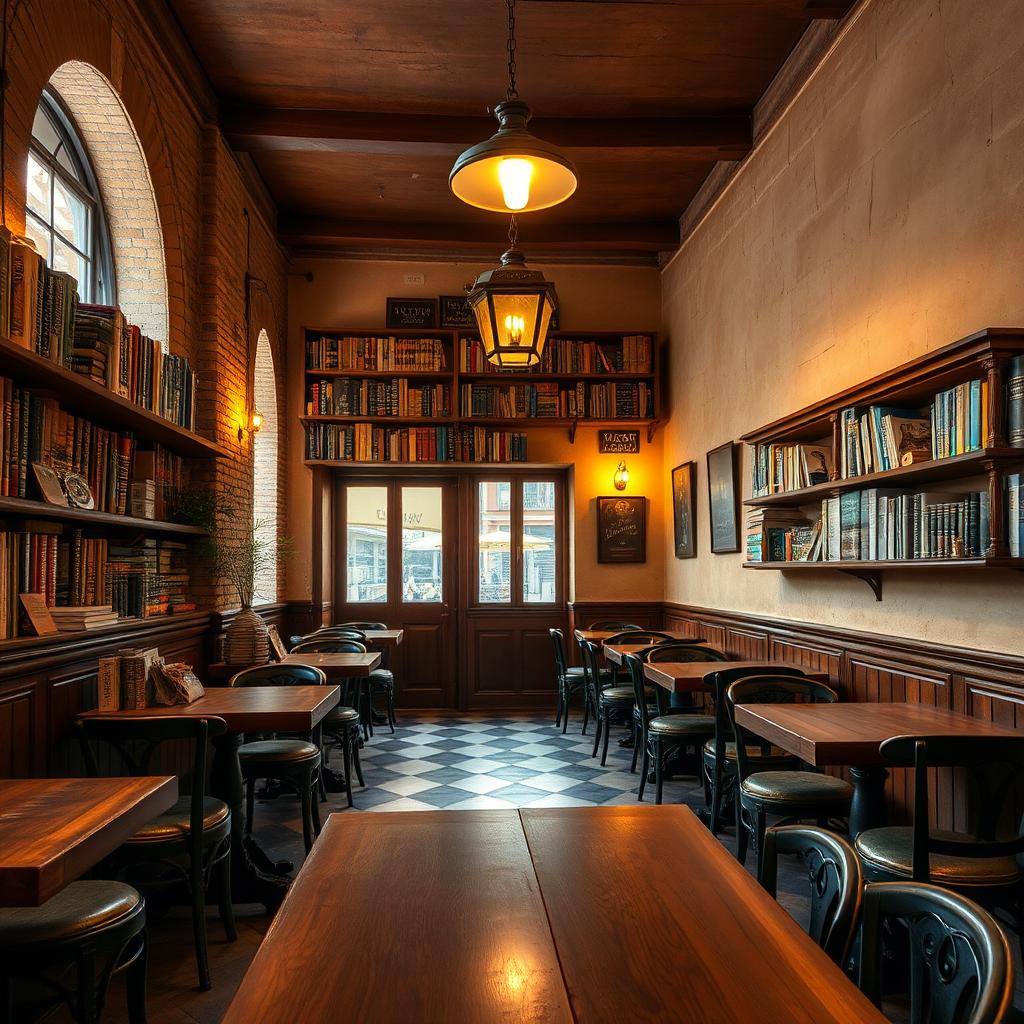
The quarter's literary tradition continues in its historic cafés. Café Central, established in 1982 but housed in a building with centuries of history, maintains the bohemian atmosphere that once attracted writers and intellectuals. The warm lighting and intimate corners make it easy to imagine Federico García Lorca scribbling verses between sips of café cortado.
Lorca's Madrid: Poetry in Motion
Federico García Lorca's connection to Madrid runs deep through the Literary Quarter. The poet frequented the area's theaters and cafés, finding inspiration in the vibrant street life. His presence is commemorated not just in plaques, but in the very spirit of the neighborhood that continues to nurture artistic expression.
The Teatro Español, located in nearby Plaza de Santa Ana, was where many of Lorca's plays premiered. This travel guide to Madrid wouldn't be complete without mentioning how the theater district seamlessly blends with the Literary Quarter, creating a cultural tapestry that spans centuries.
Hidden Literary Treasures
Beyond the famous names, the quarter holds secrets waiting to be discovered. Small bookshops tucked into narrow alleys, antique stores selling first editions, and tiny galleries displaying literary-inspired art create a treasure hunt for culture enthusiasts.
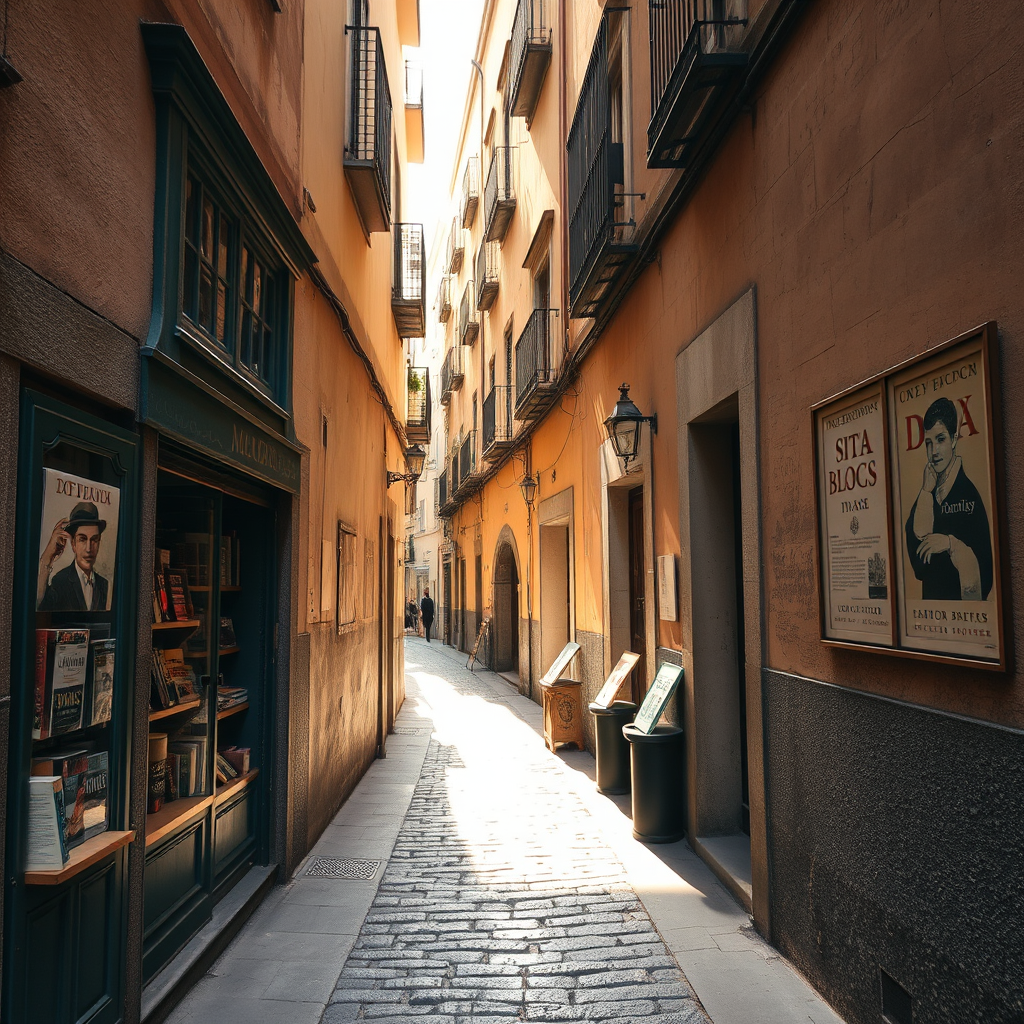
The Cuesta de Moyano, a short walk from the quarter, hosts Madrid's famous book market every Sunday. Here, bibliophiles can find rare editions of Spanish classics, creating a perfect complement to your literary walking tour.
Planning Your Literary Journey
The best way to experience the Literary Quarter is on foot, allowing yourself to wander and discover. Start early in the morning when the golden light illuminates the bronze plaques, making them easier to read and photograph. The area is compact enough to explore in a few hours, but rich enough in history to warrant multiple visits.
As you walk these historic streets, remember that you're not just sightseeing—you're participating in a centuries-old tradition of literary pilgrimage. Every step connects you to the golden age of Spanish literature, making your travel in Madrid a journey through both space and time.
The Barrio de las Letras proves that Madrid is not just Spain's political capital, but its literary heart as well. In this neighborhood, literature lives and breathes in every stone, making it an essential stop for anyone seeking to understand the soul of Spanish culture.